Animal Control in Hamilton: Humane Pest Solutions for Homes and Workplaces
Why Wildlife Problems Are Common in Hamilton
Reliable wildlife control in Hamilton, ON starts with knowing why animals keep coming back around properties and commercial buildings. Hamilton’s mix of historic homes, mid-century suburbs, and recent builds creates plenty https://sites.google.com/view/pest-control-hamilton-bed-bugs/ of property access points for animals looking for protection, feeding opportunities, and nesting space. In many Hamilton neighbourhoods, small gaps in siding, loose flashing, and unsealed rooflines are sufficient for wildlife to get inside.
The city also sits beside the Niagara Escarpment, with ravines, creek corridors, and abundant green space that naturally support urban wildlife. That makes Hamilton a place where raccoons, squirrels, skunks, and bats can travel freely between natural habitat and residential areas. In waterfront and creek-adjacent areas, wildlife activity often becomes more common because animals use these routes for shelter and travel.
Another reason these issues are so frequent is seasonal activity. In Southern Ontario, spring brings nesting behaviour, while fall often drives animals to seek warm attic access before winter. That seasonal pattern can turn a minor gap into a major problem fast. For homeowners and property managers, the best approach is proactive home protection and early detection before damage spreads.
Warnings When You Need Wildlife Control
Animal intrusions usually leave a clear pattern of pest evidence. An early clue is feces in the attic, around vents, in crawl spaces, or near garages. You may also notice urine smell, especially in enclosed spaces where animals have been nesting for a while. These odours can spread quickly and create serious health and safety concerns.
Other signs include scratching noises in ceilings or sounds in walls at night. Raccoons, squirrels, and mice-like rodents all behave differently, so species recognition matters. Squirrels are often active early in the morning, while raccoons may create heavy movement at night. Bats may be quieter overall but leave droppings and staining near entry points.
Visible damage is another warning. Look for attic damage, shredded nesting materials, chewed wiring, and disturbed insulation. If animals have been inside long enough, you may also find attic contamination that requires professional cleaning and debris cleanup. Visible access holes around the roofline, soffits, and vents usually mean the problem is already established.
Most Common Wildlife Issues in Hamilton Homes
The most common calls for pest control Hamilton residents need involve raccoon removal, squirrel control, skunk removal, and bat removal. Each wildlife species brings unique risks and calls for a different exclusion plan.
Raccoons are a significant concern in Hamilton because they are robust, adaptable, and very good at opening weak entry points. They often target attics, garages, and chimneys. Their size means they can cause major property damage, dislodge soffits, and tear away insulation. Raccoons are also frequent around bins and waste areas, which makes garbage storage an key prevention issue.
Squirrels commonly access through roof vents, gaps in fascia, or damaged soffits. Once inside, they can chew wood and wiring, leading to insulation damage and fire risks. Their repeated movement can create constant noise in walls and ceilings.
Skunks are usually a at ground level problem. They often live under decks, sheds, or porches, especially where there are foundation gaps and easy access to shelter. Their burrowing and denning can produce noticeable odours and disturb nearby structures.
Bats tend to use small cracks and roofline openings that are easy to overlook. They are frequently found in attics, especially in older homes with worn trim or loose building materials. Bat issues require careful handling because timing and method matter for both safety and compliance.
In Hamilton, these problems are often linked to the city’s older housing stock and the availability of nearby shelter corridors. That is why a trusted, prevention-first approach matters more than simply forcing the animal out.
How Compassionate Wildlife Removal Works
Expert humane wildlife removal is centered on safely removing the animal while also helping keep the concern from reappearing. The process usually begins with a full property inspection to identify active access points, assess damage, and confirm what species is involved. A detailed inspection process is essential because different animals require different exclusion methods.
Mosquito Man Hamilton62 First Rd W, Hamilton, ON L8J 3R2, Canada
+1 289-408-9573
https://maps.app.goo.gl/47W3PJ15EnQopiUf6
https://sites.google.com/view/pest-control-hamilton-ontario/
43.1795221, -79.7846013
Sometimes, technicians may use live trapping where it is appropriate and legal. It is often part of a larger strategy, not the whole solution. Once the animal is out, the subsequent step is often one-way exclusion using one-way doors. These devices let wildlife get out but prevent them from re-entering. This approach helps humanely remove wildlife without keeping animals inside the structure.
After removal, the team may handle nest removal, cleanup, and deodorizing. This matters most when there is contamination, droppings, or urine buildup. If animals have used insulation as a nesting site, damaged materials may need to be removed and replaced as part of damage repair.
Wildlife services in Ontario must also consider relocation rules and local bylaws. That means the method used should fit not just the structure and species, but also the legal and ethical requirements in the area. The best results come from pairing humane removal with long-term wildlife-proofing.
Preventing Wildlife Issues for Hamilton Properties
Strong prevention is the foundation of effective animal-proofing. Once animals have been removed, the goal is to prevent re-entry by blocking all possible access routes. In Hamilton homes, that usually starts at the roofline.
Check roof vents, chimneys, and soffits for gaps, cracks, or loose coverings. These are among the most common ways raccoons, squirrels, and bats enter attics. Missing vent covers or damaged flashing can create easy access, especially during seasonal behaviour patterns in spring and fall.
Pay close attention to gutter damage as well. Damaged gutters and fascia can give animals a foothold and weaken the edges of the roof system. On the ground level, seal foundation gaps, cover crawl space openings, and reinforce vulnerable utility penetrations. Even small gaps can become repeated entry points if not addressed properly.
Good garbage storage is another key step. Use secure containers, close lids tightly, and avoid leaving pet food outside. Around sheds and porches, remove debris that could act as shelter or nesting cover. Regular home maintenance also helps reduce the chances of wildlife returning after removal.
The most effective prevention plans combine exclusion, repairs, and ongoing monitoring. That may include sealing entry points, updating vent covers, repairing damage, and checking the structure seasonally. In many cases, the best long-term solution is a combination of inspection, sealing, and practical home protection habits.
When to Reach out to a Experienced Pest Control Service
Some wildlife problems can be handled only by skilled professionals, especially when there are clear health risks or significant structural concerns. If you smell strong odours, hear repeated movement in the walls, or find droppings in multiple areas, it is time to call a professional pest control Hamilton service that offers wildlife support.
Professional help is also essential when there is visible structural damage. Animals can tear soffits, widen entry holes, damage wiring, and destroy insulation. If the issue has led to attic contamination or recurring noise, a professional can inspect the full extent of the problem and recommend cleanup, sealing, and repair.
There is also a legal side to wildlife work. Ontario has wildlife laws that affect how certain animals can be removed and handled. A trained technician understands what is allowed, what timing matters, and how to carry out the work safely and ethically.
A professional service should begin with a detailed inspection, followed by species identification, access-point mapping, and a targeted plan. That approach is more effective than guessing, and it helps ensure the animal is removed without leading to new problems inside the home.
City-Specific Animal Control Concerns
Hamilton’s landscape makes wildlife control distinct from a service area with fewer green routes. The Niagara Escarpment functions as a major wildlife route, and nearby ravines and green spaces create continuous habitat that sustains animal movement. These features make clear why wildlife activity can continue regularly even in densely built neighbourhoods.
Homes near the Escarpment often experience more activity from squirrels, raccoons, and bats because animals can travel easily from trees and natural cover into rooflines and attics. Properties close to Cootes Paradise can also see higher activity, especially where water, vegetation, and building edges intersect. In ravines and wooded areas, wildlife has more shelter, which increases the chance of nearby structures being used for nesting.
In waterfront areas and creek-adjacent streets, raccoons, skunks, and rodents often use drainage paths and edges as travel routes. This becomes relevant for both homes and businesses, especially buildings with older foundations or less frequent maintenance. Hamilton’s urban mix means even a well-maintained property can still need proactive wildlife-proofing if it sits close to these corridors.
Local property owners should also remember that seasonal behaviour in Southern Ontario can intensify these issues. Spring nesting may bring animals into attics, while fall attic entry behaviour often increases as temperatures drop. A timely response, strong sealing work, and careful follow-up all help prevent problems from returning.
Questions About Wildlife Control in Hamilton
What wildlife problems are most common in Hamilton homes?
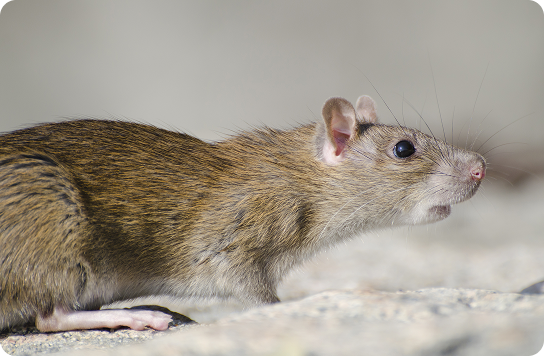
The most common issues are raccoons, squirrels, skunks, and bats. Homeowners often notice droppings, scratching noises, urine odour, noise in walls, or attic damage before they find the actual entry point. Because Hamilton has older homes, post-war housing, and newer developments all in one city, the range of access points is broad.
How do humane wildlife removal services work in Hamilton, ON?
Humane wildlife removal usually starts with a property inspection and species identification. After that, a technician may use live trapping where appropriate, one-way exclusion with one-way doors, nest removal, sanitation, and entry point sealing. The goal is to humanely remove wildlife while preventing re-entry and reducing contamination.
What is the usual cost of wildlife removal in Hamilton?
Cost factors depend on the species, the size of the property, how many access points are involved, the amount of contamination cleanup required, and whether damage repair is needed. How quickly you need service can also affect price if the problem is urgent. A full inspection is usually the best way to get an accurate quote.
Can I handle raccoons or squirrels myself in Ontario?
Some homeowners try to handle wildlife on their own, but it is often risky. You can face health and safety concerns, legal limits under local bylaws and wildlife laws, and a real chance of making the problem worse if babies are present. Professional assistance is usually safer, particularly when there is attic access, structural damage, or repeated noise at night.
How do I keep wildlife from coming back after removal?
Prevention works best when you combine entry point sealing, wildlife-proofing, and regular maintenance. Check roof vents, chimneys, soffits, garbage storage, and foundation gaps. Once removal is complete, ask about follow-up prevention so the service can help you prevent re-entry, monitor for new activity, and protect the property long term.